






 English
 Svenska
Description
70 kr
[:en]The Alchemist distills the Gold of a Thousand Mornings.

Lady´s Mantle has a time honored traditional use as a woman's healing herb. Lady´s Mantle has astringent and styptic properties, on account of the tannins it contains. It is a very healing herb for the womb and can be helpful for painful menstruations. It is a fertility herb, also good to use during and after pregnancy.
As a heart-tonic Alchemilla can be combined with prescribed medications. Strengthens the arteries. Good for swollen feet and legs.

The botanical name, Alchemilla, or “little alchemist” speaks of the uses of Lady’s Mantle which have the ability to transform. Matthew Woods writes an account of this in The Book of Herbal Wisdom.
The alchemists found interest in the fact that the morning dew gathers like a translucent pearl in the center of the fan-like leaves, well into almost mid-day, when other plants are all dried off.
“Something within it is distilling the essence and simultaneously helping to preserve it. In a material sense Alchemila must correspond to processes which encourage cohesion on the surface of the droplet and prevent vaporization, while at the same time (and plants seem to work in two opposite directions) it must possess the ability to refine and distill fluids into their most subtle expression or essence.”

In the same way in which the subtle, invisible membrane preserving the cohesion and integrity if the droplet is maintained, we can imagine Alchemilla making a subtle, invisible membrane around a person. It is encouraging integrity and cohesion. It works uplifting and empowering. It is about a kind of inner circulation and distillation.
It is healing to the emotional waters of the body and supports healing from sexual trauma.
[:sv]Alkemisten destillerar tusen morgnars guld.
Daggkåpa är en kvinnoört med sammandragande egenskaper. Den är läkande för livmodern och bra att ta till vid smärtsam menstruation. Den har använts traditionellt som en fertilitetsört och är stärkande under och efter en graviditet. Den stärker även hjärtat och artärer och går att kombinera med receptbelagda mediciner. Daggkåpa är bra vid svullna fötter och ben.
Etymologiskt avslöjar Alchemilla “den lilla alkemisten” att hon har transformativa förmågor. Matthew Wood skriver i sin bok “The Book of Herbal Wisdom” att alkemisterna fascinerades av att daggdroppar samlas i mitten av de solfjäderlika bladen och bevaras där långt efter att daggen torkat på andra växter på eftermiddagen. Någonting hos daggkåpan både destillerar och bevarar daggens essens. Alchemilla uppmuntrar en kohesion, en sammanbindning mellan molekyler och atomer i ett material, i detta fall daggen, och fördröjer evaporeringen, samtidigt som hon verkar ha förmågan att förfina och destillera vätskor till sitt mest subtila uttryck och essens. Växter arbetar ofta på detta sätt – i två polariteter av ett spektrum.
På samma vis som det subtila osynliga membranet bevarar kohesionen och integriteten av daggdroppen, kan man se Alchemilla skapa en subtil, osynlig bubbla runt en person på ett energiplan. Integriteten stärks och man känner sig sammanhållen. Daggkåpan verkar upplyftande och skänker inre styrka. Det handlar om en slags inre destillering och cirkulation. Den helar vårt inre vatten och de känslor som strömmar inom oss. Daggkåpa kan vara bra att ta till om man har råkat ut för emotionella eller sexuella övergrepp.[:]
[:en]
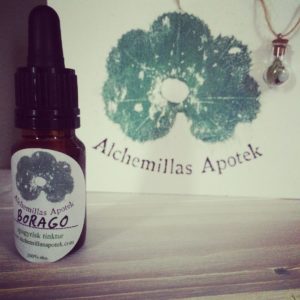
Borage is anti-inflammatory, demulcent, nutritive and cooling. It is giving tone to relaxed tissues like varicose veins. It is also used to soothe the body's mucous membranes. Borage can help ease arthritis and rheumatism.
Borage can be helpful to uplift and strengthen the spirits, especially in times of grief. It is also a great PMS-relief.
The blue starlike flowers reach an apex, coming to a singular focused point. Borage is excellent for individuals who are scattered in their communication, lack focus and clarity, and are unable to “get to the point”. It can also be useful for people who tend to “beat around the bush” and are not direct with their communication.
Most confusion that occurs in relationships is due to unclear communication and Borage is an excellent remedy to turn to in order to bring more direct, focused and clear communication that gets to the point.[:sv]
Gurkört verkar anti-inflammatoriskt, fuktgivande, närande och kylande. Den ger stadga åt förslappade vener och vävnader så som åderbråck. Gurkörten är bra för att lindra inflammation, mjuka upp och återfukta slemhinnor och kan hjälpa vid artros och reumatism.
Gurkört kan vara behjälplig för att lyfta anden och humöret och kan vara ett stöd vid sorg.
De blå stjärnlika blommorna bildar med sina fem kronblad en gemensam högsta punkt, ett slags fokus. Gurkört är bra för splittrade individer som kommunicerar på ett splittrat vis. För de som saknar fokus och klarhet eller har svårt att komma till saken. Gurkört kan också vara bra för de som tassar kring den metaforiska heta gröten och liksom aldrig gör slag i saken, eller har svårt att vara tydliga och raka i sin kommunikation.
Förvirring och missförstånd uppstår oftast i relationer på grund av oklar kommunikation. Gurkört ger oss stöd i att kommunicera fokuserat, klart, direkt och rakt på sak.
[:]
[:en]As above – So below
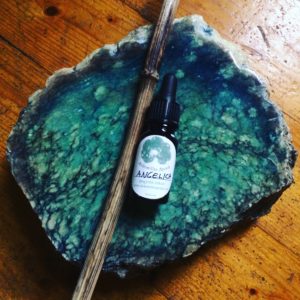
Angelica is bitter, warming and aromatic.
It can be useful in treatment of swellings, inflammations and glandular indurations, particularly of the head and neck region. Good for circulation, for cold hands and feet. Used for fever.
It is good for anguish, spasms, nervous excitation and fatigue; calms excess in both the sympathetic and parasympathetic branches of the autonomic nervous system. It is good for PMS and excessive bleeding while menstruating.
Can be used for for arthritis and gout. Good for the liver, increases digestion and metabolism of oil and production of bile, hence increases digestion and nutrition. It relaxes the throat and makes it easier to take long deep breaths. It simultaneously opens the imagination and the mind when prana (life force through breath) can flow.
Angelica is an important Shamanic plant among the Saami people of the North.
In Native American herbalism it is referred to as a “Bear Medicine”. Just as the bear goes into hibernation through the winter, bear medicine usually relax the mind, open the imagination and bring people into dreamtime. Angelica certainly has this capacity.
Bears eats these roots upon awakening in spring to wake up, clear their throat and start rebuilding their mass.
I see Angelica as an embodiment of the Alchemical device “As above so below”.
The deep aromatic root and the umbrella-like flower full of starlike seeds are connected through a hollow stem, a channel connecting the heaven and the earth. This is one of the effects the Spagyric Tincture may have upon you – making you feel like this channel.
Angelica connects you with your guardian angel, or if you prefer to call it your higher self.[:sv]Så som ovan – så och nedan
Kvanne är bitter, värmande och aromatisk.
Kan användas vid svullnader, inflammationer, särskilt i nack- och huvudregionen samt svullnade lymfkörtlar. Bra för cirkulationen, kalla händer och fötter.
Kan användas vid feber, ångesttillstånd, när man är nervöst uppjagad eller vid utmattning. Kvanne lugnar både det sympatiska och parasympatiska nervsystemet. Bra vid PMS och vid kraftig menstruationsblödning.
Kan användas vid artros och gikt. Bra för levern, matsmältningen och gallproduktionen.
Avslappnande för halsen och underlättar djupandning. När prana kan flöda (livskraft via andetaget) främjas fantasin och sinnet öppnas.
Kvanne är en viktig helande ört för shamanerna i norr, bla samerna. Hos de nordamerikanska indianerna hör kvanne till Björn-medicinerna.
På samma vis som björnen går i ide , har björn-medicinen en avslappnande verkan på sinnet, fantasin väcks och kontakten med drömtiden stärks.
Björnar äter kvannerötter när de vaknar på våren för att ta djupa andetag och för att stärka sig.
Jag upplever Kvanne som förkroppsligandet av den alkemiska devisen: Så som ovan- så och nedan. Den armotaiska roten och den paraply-formade
blomman full av stjärnlika frön förbinds av en ihålig stjälk, en kanal mellan himmel och jord. Angelica stärker förbindelsen med vår skyddsängel, eller
högre jag.[:]
[:en]Sacred herb of the druids.
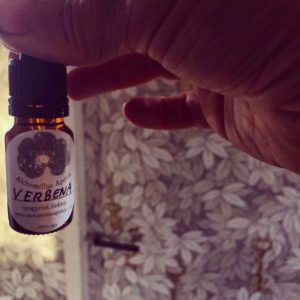
Bitter tonic – good for digestion, moving stuck liver energy, nervine – good for burnt-out nervous system, relaxant – especially for tension in the neck, shoulder, head region, very good for painful menses and PMS, also for hot flashes.
Vervain helps the entrepreneur to unwind and stop working at home. It is indicated for list makers, for people with mental excess as it moves the energy downwards and works as a remedy of embodiment. Vervain people tend to neglect themselves, they forget to eat, drink water, clean the house, exercise etc.
Instead they tunnel vision on their goal and loose sight of other important facets of their life which can fall wayside.
Indicated for driven visionaries that can burn out from over exhaustion yet be constantly striving. Vervain helps the soul to center and ground its tremendous enthusiasm. The body becomes a natural regulator and harmoniser for the abundant spiritual forces that pour out of such a person, a soul that is able to inspire, lead and heal others.
[:sv]Druidernas heliga ört.
Järnört är bittert och är bra för matsmältningen, levern, avslappnande för nerverna – särskilt vid utbrändhet, avslappnande för spänningar- särskilt i nacke, skuldror och huvud samt mycket bra vid smärtsam menstruation, PMS och värmevallningar.
Järnörten hjälper entreprenören att varva ner och sluta arbeta hemma efter arbetsdagen. Den är speciellt bra för folk som skriver listor och för de som har för mycket mental energi då det för energin neråt och gör att man är mer närvarande i sin kropp i stället för bara uppe i huvudet. Järnörts-personer har tendensen att negligera sig själva, glömmer att äta och dricka tillräckligt med vatten, städa sitt hem, träna etcetera. I stället drabbas de av tunnelseende med ett enda mål i sikte medan andra viktiga delar av livet faller i glömska.
Järnört är bra för drivna visionärer som kan bränna ut sig själva och utmattas av sin konstanta strävan. Järnört centrerar själen och jordar dessa människors enorma entusiasm. Kroppen börjar att balansera sig naturligt och det överflöd av energi som en sådan inspiratör sprider kan kanaliseras och användas för att leda och hela andra.[:]
[:en]Balsam for the soul
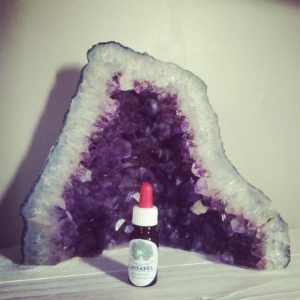
Cooling, stimulating, relaxing. Good for cramps and tension both mentally and physically, muscle aches, migraines. Lavender has the action of concentrating the blood and blood sugar for the liver to nourish and strengthen it. Good for motion sickness, dizziness, fainting. Good for people who are so tired that they can not keep their head up. Migraine after a long week or a long day and for working with details.
It is good to take in the evening to wind down when the mind is overly active. The prabhava (special potency) of lavender is that it works just as well the other way, it wakes up the sleepy minds.
Lavender is good for the people who have high demands on themselves and others. This type is often very driven, overworked and tense, resulting in fatigue, aches and tension in the neck, shoulders and headaches. (use together with vervain)
Good for people who get stuck in the details, finicky.
Good for the type of depression and anxiety that often combines with Irritable bowel syndrome.
Rudolf Steiner writes that Lavender is indicated for spiritual states where the astral body is holding on to the physical body and keeps it in a too tight grip which results in cramping and straining on the nerves. Another explanation is that the autonomic nervous system takes over when the unconscious is not able to handle or process experiences. In any case, lavender works as a balm for the soul. It opens the mind so that some of it can take off and fly out. If the mind is holding on to an excessive content, to vast to understand, this creates tension. It is good in OCD, obsessive thoughts and behaviors. (Even better in combination with passion flower)[:sv]Balsam för själen
Kylande, stimulerande och avslappnande. Bra vid kramp och spänningar både mentalt och fysiskt, muskelvärk och migrän. Lavendel är bra vid åksjuka, yrsel och svimning. Det är bra för personer som är så trötta att de har svårt att hålla uppe huvudet eller för de som får migrän efter att ha arbetat med detaljer.
Lavendel är bra att ta på kvällen för att varva ner när sinnet är överaktivt. Dess prabhava (dess speciella egenskap och förmåga) är att den fungerar på båda ändarna av spektrat: den väcker upp sömniga sinnen likaså.
Lavendel är bra för människor som har höga krav på sig själva och sin omgivning. Denna typ är ofta en driven arbetsnarkoman som drabbas av trötthet, värk och spänningar i nacke och skuldror samt huvudvärk. (Lavendel kan då kombineras med järnört).
Lavendel är bra för petiga personer som kan förlora sig i detaljerna. Lavendel är också bra vid den typ av melankoli och ångest som yttrar sig i magbesvär.
Rudolf Steiner skriver att lavendel passar för andliga tillstånd där astralkroppen griper tag i den fysiska kroppen och håller den i ett för krampaktigt grepp vilket resulterar i kramp och slitage på nerverna. Det kan också vara så att det autonoma nervsystemet tar över när det omedvetna inte längre orkar att hantera och bearbeta upplevelser. Oavsett verkar lavendel som ett balsam för själen. Det öppnar sinnet så att en del av det kan flyga fritt. Om sinnet krampaktigt håller fast vid för stora innehåll, som är för stora att förstå, skapas spänningar. Man kan prova lavendel vid tvångstankar (kombinera gärna då med passionsblomma).[:]
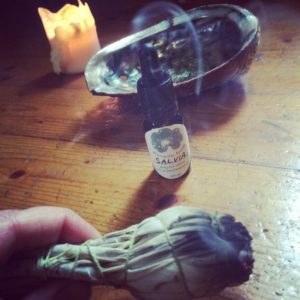
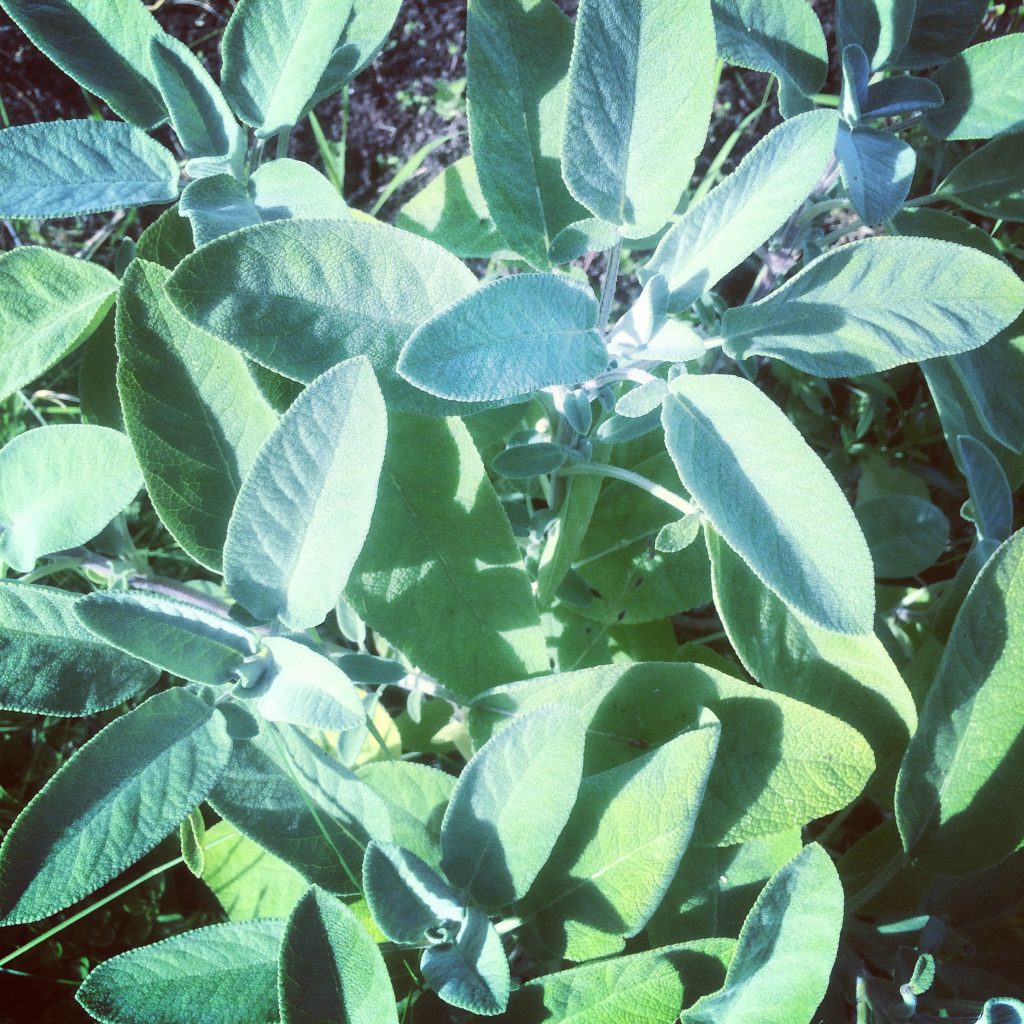
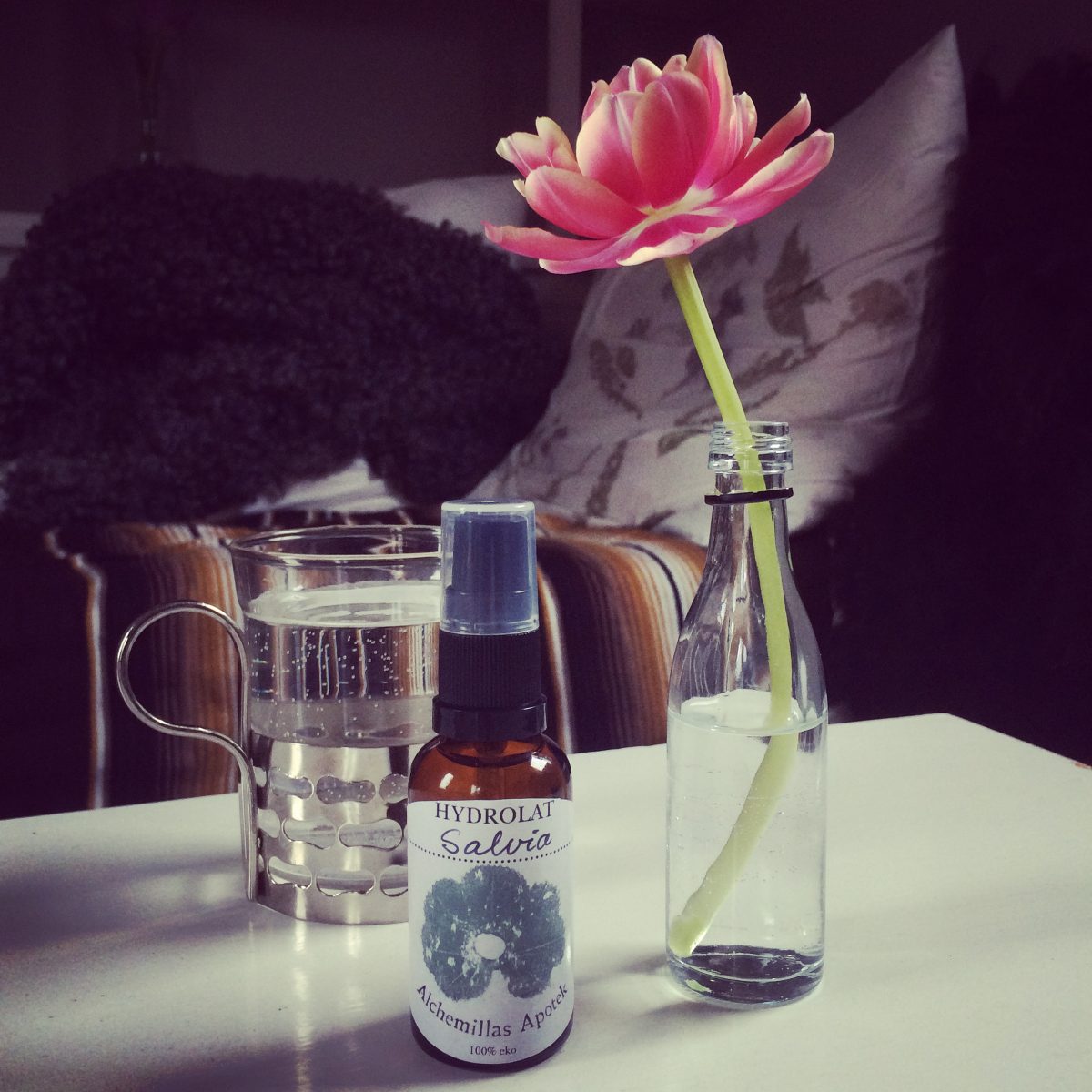
[:en]Sage is for the practicing mystic – I walk my talk
Sage is used for irritations and inflammations of the throat and respiratory system. Sage has an action on the liver, gallbladder and the digestive system and helps the liver to break down fat. Regulates sweating.
Purification of the self and purity in communication. Support in delivering our messages. Sage reconnects us to who we are and helps us to recognise wisdom in everything. How each reflection of life is a reflection of our own nature, as we hold the whole universe within our own being.
Sage helps with integration of the spiritual and the physical worlds together, dissolving the boundary between the mundane and the sacred, helping to bring knowledge into the heart where it can transform into wisdom. Sage is a wise plant teacher of many secrets.
[:sv]Salvia är för den praktiserande mystikern – I walk my talk
Salvia används vid inflammation och irritation i halsen och luftvägarna. Salvia verkar på levern, gallan och matsmältningen genom att hjälpa levern att bryta ner fett. Salvia hjälper till att reglera svettning.
Salvia främjar klarhet i kommunikationen. Den stödjer oss att leverera vårat budskap. Salvia hjälper oss att knyta an med vårt sanna jag och att upptäcka visdomen som finns i allt runt om kring oss och uppenbarar att alla reflektioner av livet är reflektioner av oss själva, ty vårat väsen innehåller hela universum.
Salvia stödjer oss att integrera den andliga och den fysiska verkligheten så den blir till en värld. Den upplöser gränsen mellan det vardagliga och det heliga och stödjer oss att förankra kunskapen i hjärtat där den kan transformeras till visdom. Salvia kan bli en inre lärare.[:]
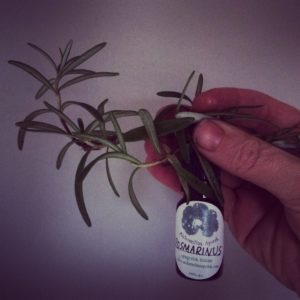
[:en]“There’s rosemary, that’s for remembrance.” – Shakespeare
Warming circulatory stimulant, most notably for the head and the brain including circulation to the eyes, therefore good in case of glaucoma. Brings blood to the heart, liver and gallbladder hence also good for digestion. Nervine, helpful in Alzheimers, nootropic, enhancing cognitive function, short and long-term memory. Good for type II diabetes.
Good for persons lacking confidence to give clarity around who we are, why we are here and what we do with our time here. Rudolph Steiner taught that Rosemary increase the sense of selfhood, which he related to the solar properties or the warmth of the body, to support selfconciousness, especially to be used in the morning to stimulate awareness.
Rosemary helps us in remembering who we are, to be strong in who we are, to embrace our pasts and presents without regrets. Through remembering via the heart more than through the mind we can reconnect and find support from in our ancestry.[:sv]“Här är Rosmarin, den hjälper oss att minnas.” – Shakespeare
Värmande och stimulerar cirkulationen, särskillt till huvudet, hjärnan inklusive ögonen, därför bra vid glaucom. Cirkulerar blodet till hjärtat, levern och gallblåsan, därför bra för matsmältningen. Bra för nerverna, vid Alzheimers, nootropisk dvs stödjer kognitiv funktion, korttids och långtidsminnet. Stödjande vid diabetes II.
Bra för personer som saknar självförtroende och skänker klarhet kring vem vi är, varför vi är här och hur vi ska använda tiden vi har. Rudolph Steiner sa att Rosmarin stärker jagkänslan, som han relaterade till den solära energin som värmer upp kroppen. Rosmarin stärker självmedvetenhet, särskillt när den används på morgonen för att väcka medvetandet.
Rosmarin hjälper oss att minnas vilka vi är, att vara starka i oss själva, att omfamna det förflutna och nuet utan ånger. Genom att minnas via hjärtat snarare än med hjärnan kalibreras kanalen mellan sinnet och hjärtat och klarhet skapas för att omstrukturera och uttrycka hjärtats språk och att återknyta kontakten till våra rötter.[:]
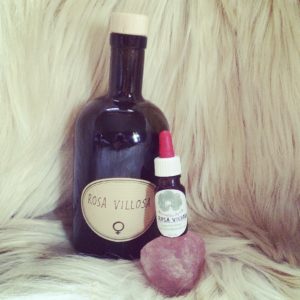
[:en]The secret of the heart
The medicine of the Rose is healing to the emotional heart as well as a remedy for the physical circulatory system. It is a cardio-tonic, cooling and astringent.
Rose is also a brain-tonic known to be a medhya in Ayurveda, that is, it enhances dhi dritti smriti. These are the three primary functions of the brain for the actions of registering, storing and recalling knowledge and information. When they are operating in a balanced and coordinated manner, the brain is in a stress-free state of bliss.
Rose is a support when processing strong feelings and good when making important decisions.
First and foremost, Rose is a healer for the heart. It evokes beauty, openness and gentleness. To walk in beauty. The rose opens the heart chakra and her teaching is to love ourselves.[:sv]Hjärtats hemlighet
Rosens medicin är att hon både helar det emotionella hjärtat och stärker det fysiska cardiovaskulära systemet. Hon är verkligen en hjärtestärkare på alla vis.
Rosen verkar kylande och sammandragande.
Rosen är också bra för sinnet. Innom ayurvedan är det känt att rosen förstärker de tre hjärnfunktionerna som registrerar, lagrar och minns kunskap och information. När dessa tre samarbetar är hjärnan i ett ostressat tillstånd av hänförelse!
Rosen ger stöd när vi bearbetar starka känslor och fattar viktiga beslut.
Framför allt helar rosen hjärtat. Hon framkallar skönhet, öppenhet och vänlighet. Rosen öppnar hjärtchakrat och hennes lära är att älska oss själva. Att vandra i skönhet.[:]